
How We Deliver World Wide* Learn more

We have A Live Chat Support And Email Response. 50+ Reviews

Trusted and Verified Sellers for Blinds
How We Deliver World Wide* Learn more
We have A Live Chat Support And Email Response. 50+ Reviews
Trusted and Verified Sellers for Blinds
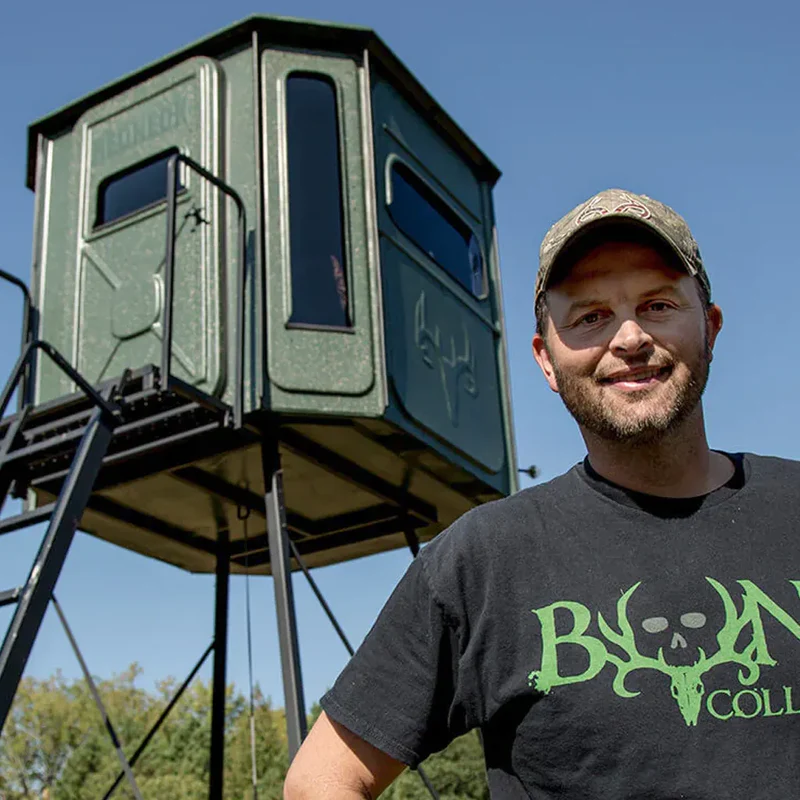
If you’ve ever sat motionless in the woods for hours, watching deer move just out of range while you’re desperately trying not to sneeze, you already understand why hunting blinds are game-changers. I’ve spent countless seasons both with and without blinds, and I can tell you from experience that the right blind doesn’t just increase your success rate—it fundamentally transforms how you hunt.
Whether you’re a seasoned hunter looking to upgrade your setup or a beginner wondering if you even need a blind, this guide will walk you through everything you need to know about choosing, using, and maximizing the effectiveness of hunting blinds.
Let’s start with the basics. A hunting blind is essentially a concealment structure that hides you from your quarry while providing protection from the elements. But that simple definition barely scratches the surface of what modern hunting blinds can do.
The best hunting blinds create what I call the “invisible advantage.” You’re not just hidden—you’re comfortable, scent-controlled, and positioned perfectly for the shot. You can move without spooking game, adjust your position when you get cramped, and even take a sip of coffee without worrying that a trophy buck will catch the movement.
I’ve taken some of my best shots from blinds when conditions would have made traditional stand hunting nearly impossible. Rain? No problem. Freezing wind? Bring it on. Young kids or guests who can’t sit still? A blind makes it manageable.
The hunting blind market has exploded in recent years, and for good reason. Different hunting situations demand different solutions.
Ground blinds sit at ground level and come in two main varieties: hub-style pop-ups and more permanent structures.
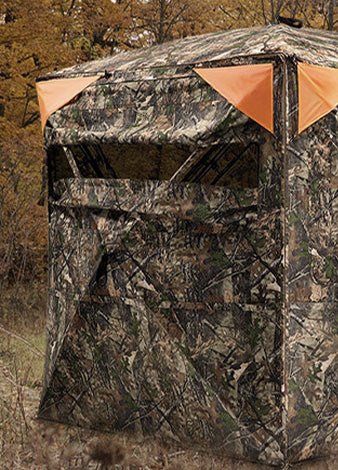
Pop-up ground blinds are what most people think of when they hear “hunting blind.” These portable units use a hub system similar to camping tents, allowing them to spring into shape in seconds. I’ve set up my favorite pop-up blind literally dozens of times, and it still amazes me how quickly you can go from carrying a compact package to sitting inside a fully functional hunting hide.
The beauty of pop-up blinds is their flexibility. You can scout an area, find where the deer are actually moving (which is rarely where you thought they’d be), and relocate your blind in minutes. I’ve had mornings where I set up in one spot, realized the deer were using a different trail, and moved my entire setup during mid-morning lull. Try doing that with a tree stand.
The downside? Pop-up blinds can be obvious to wildlife if you don’t set them up properly. Deer aren’t stupid—a big black box that suddenly appears in their bedroom is going to make them nervous. This is why I always set up my ground blinds at least a week before I plan to hunt from them, giving deer time to accept them as part of their environment.
Permanent ground blinds take a different approach. These are structures you build or install in prime locations and leave year-round. I’ve built several over the years using everything from plywood and two-by-fours to prefabricated kits designed specifically for hunting.
The advantage of permanent blinds is comfort and concealment. You can make them spacious enough to stand up in, insulate them for cold weather hunting, and design them to blend perfectly with the surrounding terrain. I have one permanent blind that looks like a natural brush pile from the outside but has bench seating, shooting windows at multiple heights, and enough room for two hunters.
The obvious drawback is commitment. Once you build a permanent blind, you’re married to that location. If deer patterns change or the property owner’s management strategy shifts, your blind might end up in a dead zone
deer blind
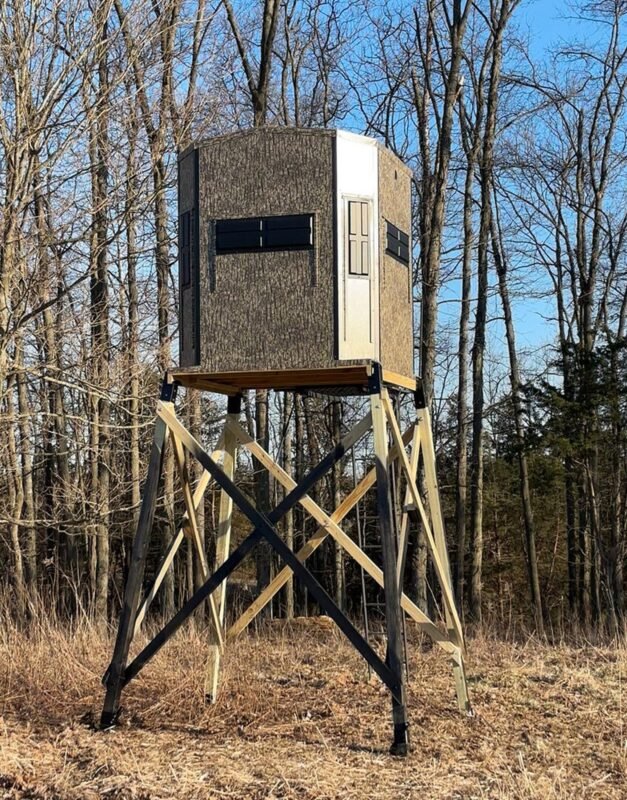
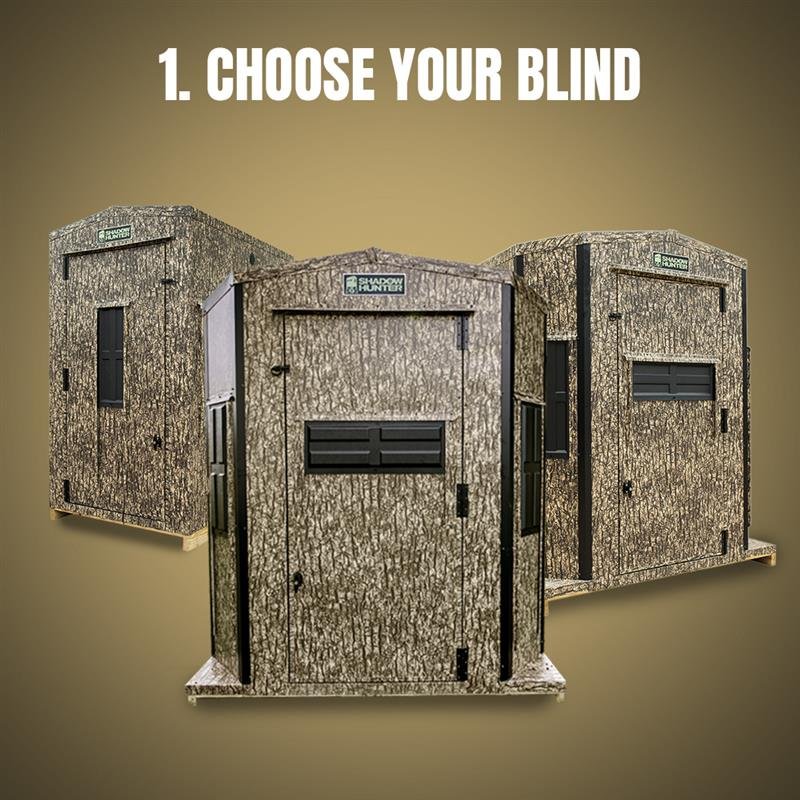
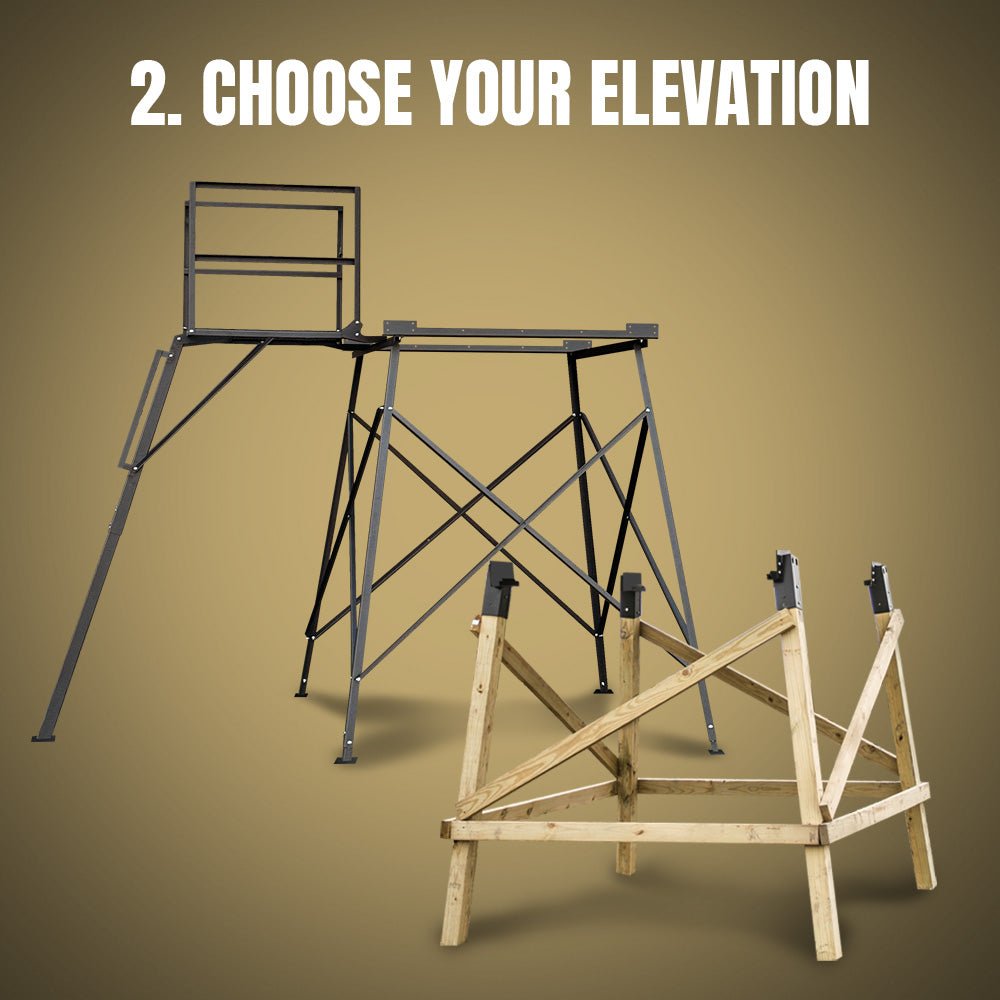
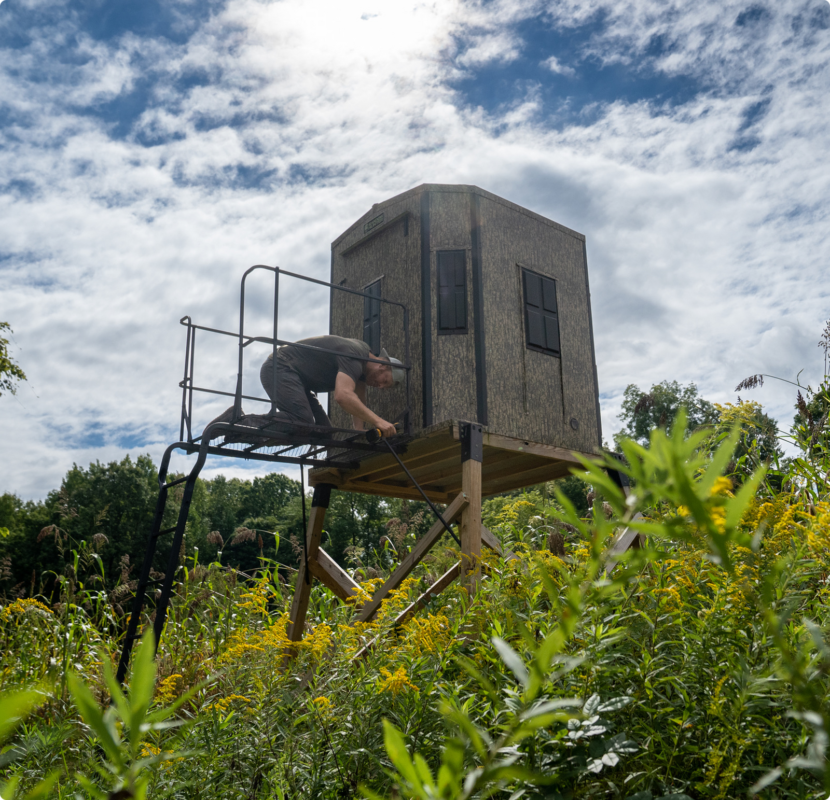
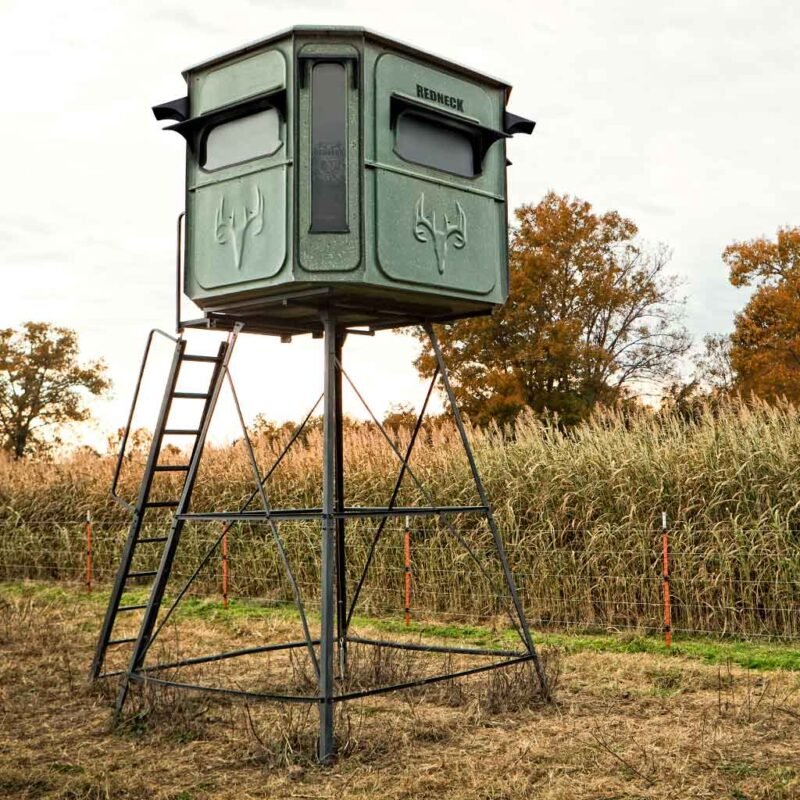
Box blinds, sometimes called tower blinds when elevated, represent the ultimate in hunting comfort. These are essentially small buildings designed specifically for hunting.
I’ve hunted from box blinds that had carpeted floors, padded seats, heaters, and windows on all four sides. Some even have insulation and enough room to bring a kid or two along for the hunt.
If you’re hunting in extreme weather—and I’ve sat through some brutal Texas ice storms and Canadian cold snaps—a well-built box blind is worth its weight in gold. You can actually sit still for hours without your body going numb, which directly translates to more opportunities and better shots.
The investment is significant, both in money and installation effort. A quality box blind can easily run into thousands of dollars, and getting it positioned properly requires planning and usually some heavy equipment.
Hunting blinds have become one of the most essential tools for modern hunters. Whether you are pursuing deer, turkey, waterfowl, or small game, a well-placed hunting blind can dramatically increase your chances of success while keeping you concealed, comfortable, and safe. From pop-up ground blinds to permanent tower blinds, today’s options cater to every hunting style, environment, and budget.
This comprehensive guide explores what hunting blinds are, how they work, different types, key benefits, materials, placement strategies, and common mistakes hunters should avoid. Whether you’re a beginner or an experienced outdoorsman, understanding hunting blinds will help you hunt smarter and more ethically.
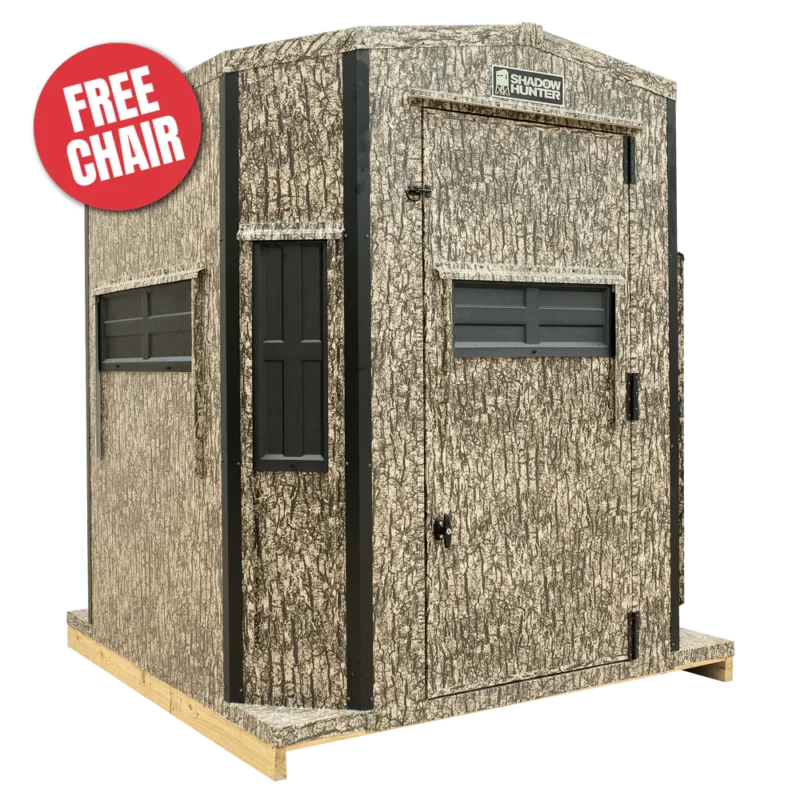
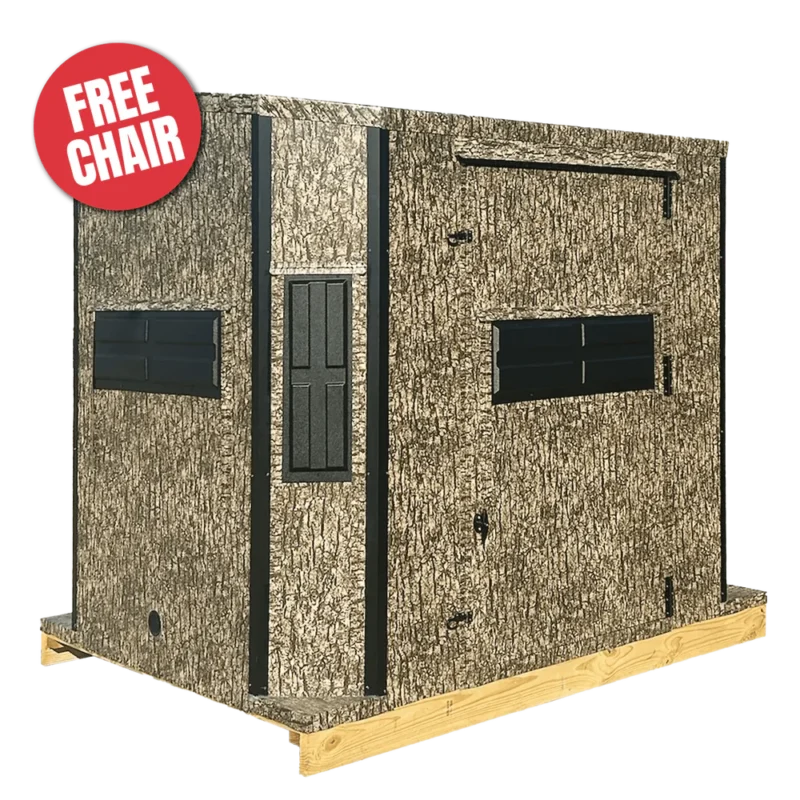
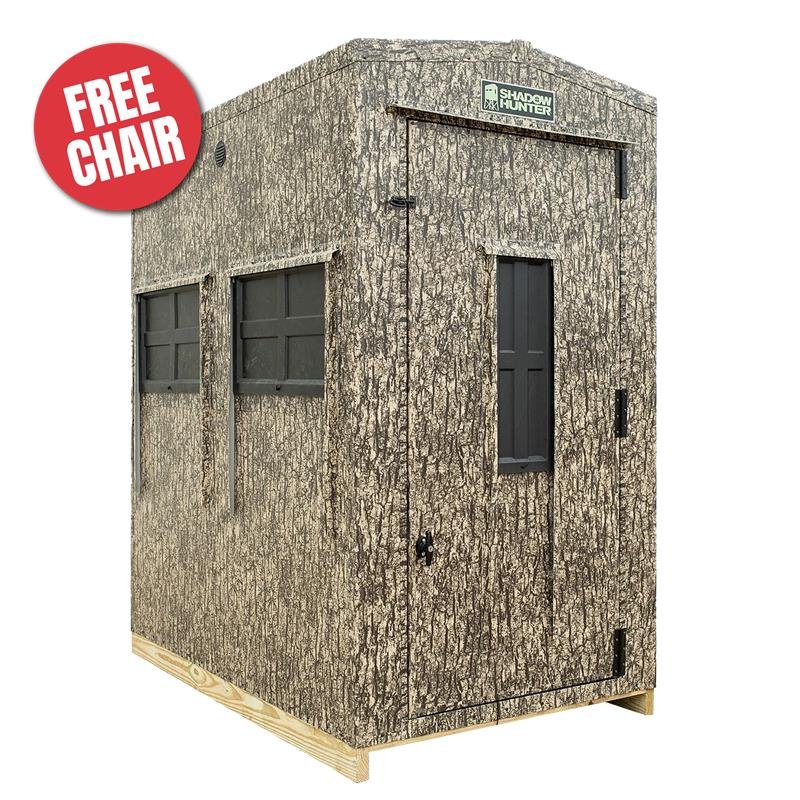
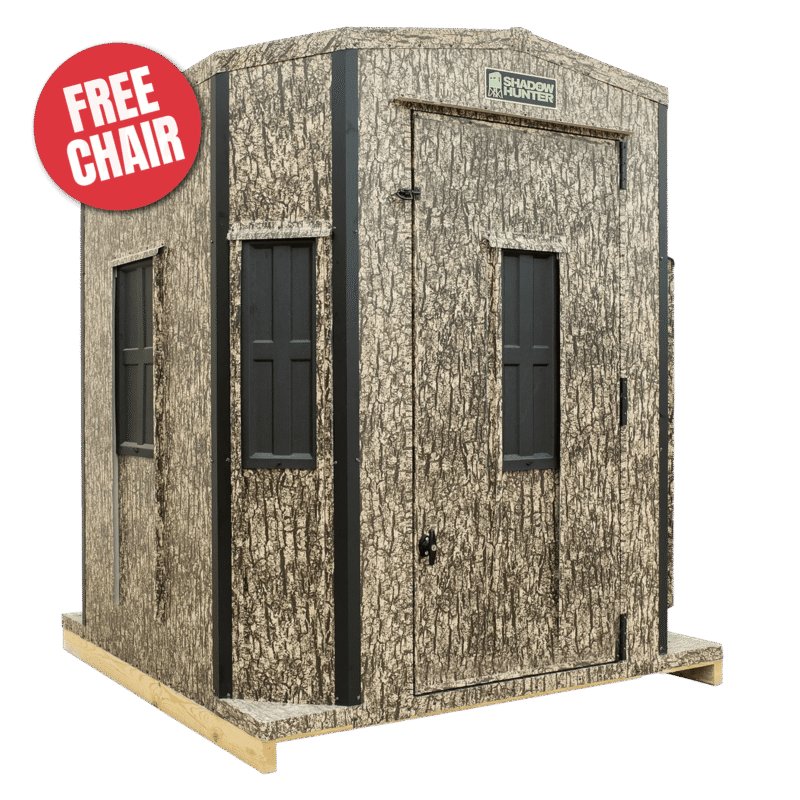
redneck blinds
A hunting blind is a concealment structure designed to hide a hunter from game animals. It reduces visibility, masks movement, and helps block scent, making it easier to remain undetected. Hunting blinds can be portable or permanent, natural or manufactured, and are used across a wide range of hunting environments.
The primary purpose of a hunting blind is to blend the hunter into the surroundings, allowing animals to behave naturally and move within ethical shooting range.
Hunting success often depends on patience, stillness, and remaining unseen. Animals have highly developed senses, particularly sight and smell. Hunting blinds address these challenges by:
Reducing visible movement
Breaking up the human silhouette
Providing wind and weather protection
Helping manage scent dispersion
Allowing longer, more comfortable sits
For many hunters, blinds are not just a convenience—they are a critical strategy.
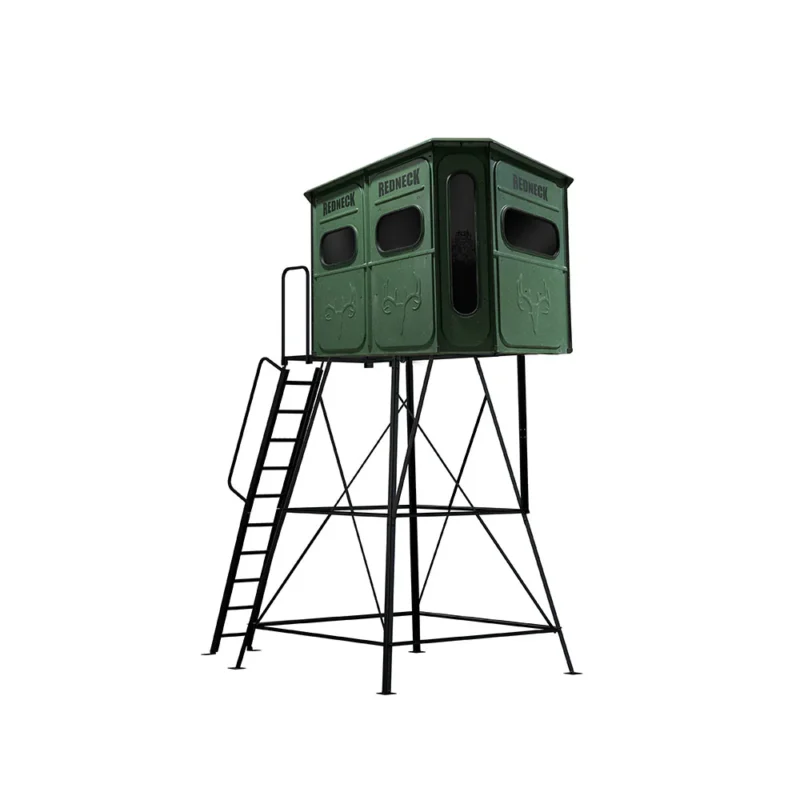
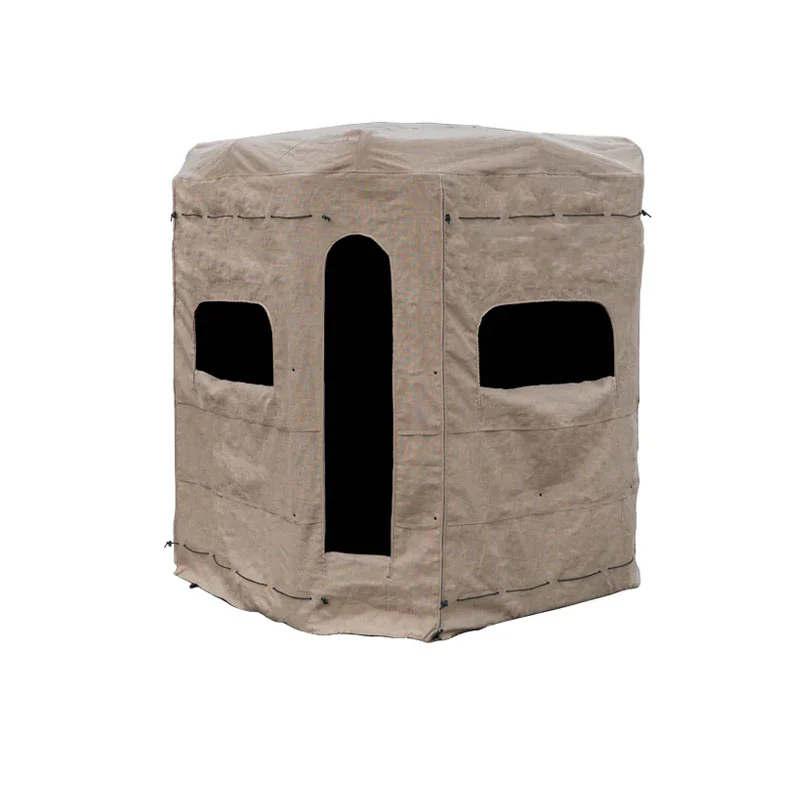
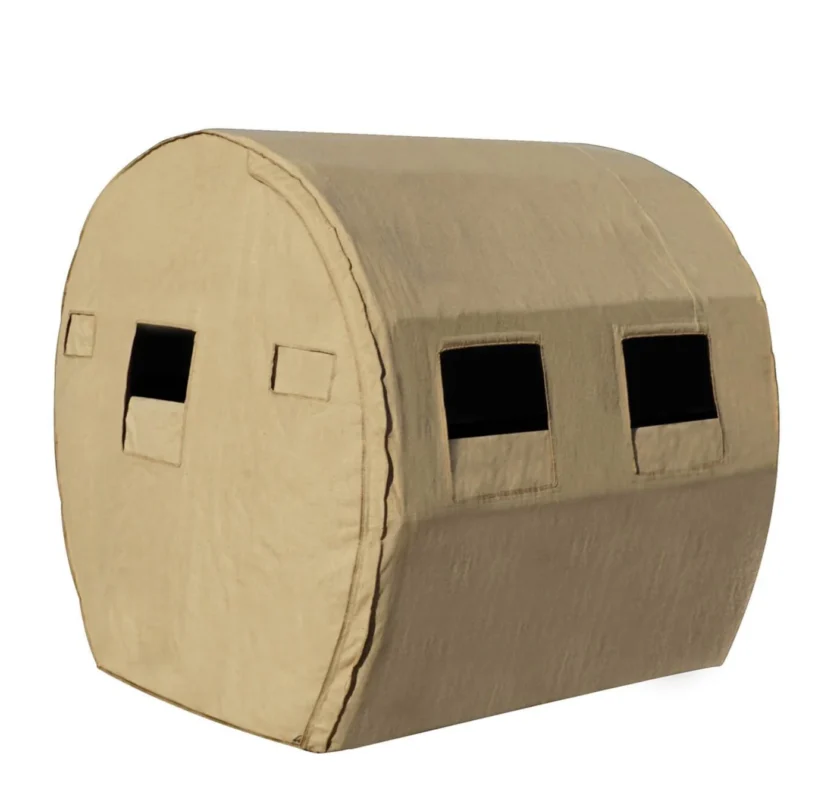
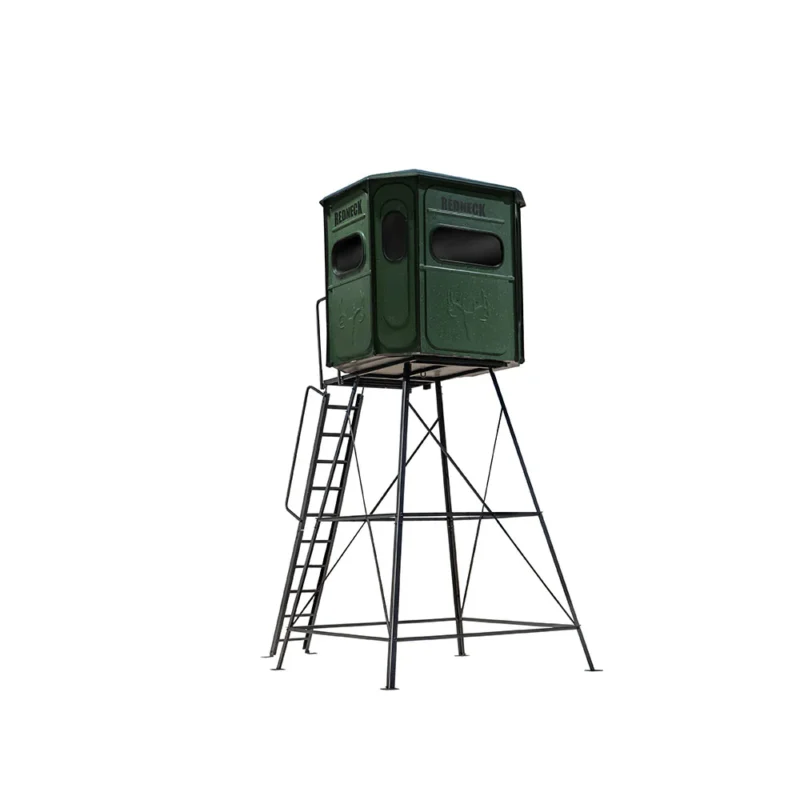
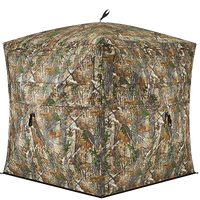
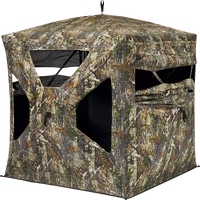
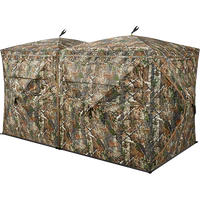
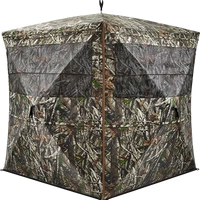
Designed for superb hunting experience, TIDEWE hunting blinds combine super clear see-through mesh,
stealth, and comfort to help you track and strike with the confidence of a masterful predator!
A quality hunting blind represents a significant investment. Proper maintenance extends its life and ensures it performs when you need it.
Portable blinds should be cleaned and thoroughly dried before storage. I learned this lesson after putting away a wet blind that developed mildew stains by the next season. Now I set up my blinds in the backyard after the season, let them air dry completely, and only then pack them away.
Small tears become big holes. I carry a repair kit designed for blind fabric and fix any damage as soon as I notice it. A two-inch tear repaired immediately is a five-minute fix. That same tear left unrepaired can become a torn panel by next season.
Window zippers and hub mechanisms are high-wear areas. I lubricate zippers periodically and inspect hub poles for stress cracks or bends. Replacing a damaged pole in the off-season costs twenty dollars. Having a pole fail during a hunt is priceless frustration.
Natural vegetation you used for brushing in your blind won’t last forever. I refresh the brushing on my permanent blinds annually, and I check portable blind brushing whenever I move them to new locations.


Easy & Free
Need Assistance?

Order before 1PM EST to have your order shipped today for free (orders over $1000) and chilled with cooling packs .

Trusted by thousands of researchers for high-quality Hunting Blinds